Showing posts with label snowshoeing. Show all posts

Thursday, December 12, 2019

Winter Activities in Rocky Mountain National Park

Summer isn't the only time to visit Rocky Mountain National Park. Winter is also an absolutely wonderful time to enjoy the scenic beauty of the park. The park, as well as the area surrounding it, offers many outstanding outdoor opportunities, including snowshoeing, cross-country skiing, sledding, downhill skiing, wildlife watching, dog sled rides, fat biking, ice fishing and even hiking. Even if you don’t own your own equipment there are many outfitters in Estes Park and Grand Lake that will rent everything you’ll need to enjoy your adventures.

Winter in the Rockies can typically last from November through April. The lower elevations along the eastern slope of Rocky Mountain National Park are usually free of deep snow. However, at higher elevations, arctic conditions prevail. Sudden blizzards, high winds, and deep snowpack are common in these areas of the park. The west side of the park usually experiences more snow, less wind and clear cold days during this time period. Skiing and snowshoeing conditions are usually at their best in January, February, and March. Unpredictable weather alternates between warm and cold, wet and dry conditions during April.

Based on the latest ten years of precipitation data, Estes Park (7522 feet) receives approximately 34 inches of snow each year, while Grand Lake (8369 feet) receives roughly 147 inches annually.

Visitors to the park should make note that the upper portion of Trail Ridge Road is closed during the winter. Depending on weather, the road usually closes for the season around mid-October or early-November, and reopens by Memorial Day Weekend. During the winter season, weather permitting, Trail Ridge Road is normally open to Many Parks Curve on the east side of the park, and to the Colorado River Trailhead on the west side. For the latest information on closures you can call the Trail Ridge Road Status Line at 970-586-1222, or visit the park website.

The following are a few of the winter adventures you can enjoy in and around the national park:

Snowshoeing – is one of the most popular ways to enjoy the park and surrounding areas during the winter. Basically, if you can hike, you can snowshoe! Within the park you can join a ranger-led snowshoe excursion. Several outings are offered throughout the winter. Participants will learn techniques to traverse various terrain as they explore the natural world of subalpine forests. No previous experience is needed for these programs. Outside of the park are several other areas you can explore. On the west side you may want to note that 70% of Grand County is public land. Therefore, snowshoers will have access to hundreds of miles of trails in the Indian Peaks Wilderness, Never Summer Wilderness, Arapaho National Forest, Arapaho National Recreation Area, Byers Peak Wilderness, Vasquez Peak Wilderness, Medicine Bow/Routt National Forest, Winter Park and Fraser Valley areas. You can find additional information on these areas, as well as equipment rental outfitters and various Nordic centers by clicking here. For information on equipment outfitters and snowshoeing opportunities in the Estes Park area, please click here.

Cross-country Skiing – is another popular winter sport in and around the park. On the west side of the park, Rocky Mountain National Park rangers offer the "Ski the Wilderness in Winter" program each winter. Cross-country skiers also have access to trails in the Indian Peaks Wilderness, Never Summer Wilderness, Arapaho National Forest, Arapaho National Recreation Area, Byers Peak Wilderness, Vasquez Peak Wilderness, Medicine Bow/Routt National Forest, Winter Park and Fraser Valley areas. You can find additional information about these areas, as well as equipment rental outfitters and various Nordic centers by clicking here.

Although the terrain and the amount snow on the west side of the park make for better cross-country skiing, the Estes Park area also offers many cross-country skiing opportunities as well. For additional information on these opportunities, as well as equipment rental outfitters on the east side of the park, please click here.

Hiking – Depending on the amount of snow on the ground, visitors can also enjoy hiking in the park, especially on the east side. Destinations such as Cub Lake, Chasm Falls, Deer Mountain, The Pool, Gem Lake and Upper Beaver Meadows are all great choices during the winter. For more information about these hiking destinations in winter, please click here.

Sledding - Hidden Valley is the one place in Rocky Mountain National Park where sledding is allowed. Please note that no tows are provided, and you must provide your own plastic sled, saucer, or tube (if you don't bring your own they can be rented in Estes Park at most outdoor shops). This gentle hill is at the bottom of the bunny slope of the former Hidden Valley Ski Area. On most weekends there's an attendant here. A warming room is also available. Winter winds can scour the area, causing conditions to vary, so you should call the park Information Office at 970-586-1206 for the latest information.

Wildlife Watching - Many park roads are usually open during the winter, which provide access for viewing park wildlife. Winter is an especially good time to look for elk, mule deer, moose, and other large mammals. Visitors should look for moose along the Colorado River on the park's west side. Elk and mule deer are most active at dusk and dawn, and are usually seen in meadow areas. Look for bighorn sheep along the Highway 34/Fall River corridor on the park's east side. Coyotes may be seen any time of day. Members of the Jay family, including Steller's jays, gray jays, Clark's nutcrackers, and the iridescent, long-tailed black-billed magpies are commonly seen in the winter as well.

Other Outdoor Activities – in addition to the winter activities already mentioned above, the Grand Lake area offers several other winter adventures, including downhill skiing, dog sled rides, fat biking, ice fishing, ice skating, sledding and snowmobiling, among many other options. You can click here for a full list of winter activities.

Before venturing into the park during the winter months be sure you’re properly prepared for cold and snowy conditions. Be sure to layer up with insulating, waterproof clothing, wear sunglasses, use sunscreen, carry water and carry a good topographical trail map.

Other info:

For the latest information on weather conditions, please click here.

* Current Bear Lake Snow Conditions

* Overall Trail Conditions

* Colorado Avalanche Information

If you do plan to visit Rocky Mountain this winter, or anytime of the year, please note that our hiking website also offers a wide variety of accommodation listings and other things to do to help with all your vacation planning.


Jeff
RockyMountainHikingTrails.com
HikinginGlacier.com
TetonHikingTrails.com
HikingintheSmokys.com
Ramble On: A History of Hiking

Monday, March 13, 2017

Winter in Rocky Mountain National Park

Winter is an absolutely wonderful time to visit Rocky Mountain National Park. The park, as well as the area surrounding it, offers many outstanding outdoor opportunities, including snowshoeing, cross-country skiing, sledding, downhill skiing, wildlife watching, dog sled rides, fat biking, ice fishing and even hiking. Even if you don’t own your own equipment there are many outfitters in Estes Park and Grand Lake that will rent everything you’ll need to enjoy your adventures.

Winter in the Rockies can typically last from November through April. The lower elevations along the eastern slope of Rocky Mountain National Park are usually free of deep snow. However, at higher elevations, arctic conditions prevail. Sudden blizzards, high winds, and deep snowpack are common in these areas of the park. The west side of the park usually experiences more snow, less wind and clear cold days during this time period. Skiing and snowshoeing conditions are usually at their best in January, February, and March. Unpredictable weather alternates between warm and cold, wet and dry conditions during April.

Based on the latest ten years of precipitation data, Estes Park (7522 feet) receives approximately 34 inches of snow each year, while Grand Lake (8369 feet) receives roughly 147 inches annually.

Visitors to the park should make note that the upper portion of Trail Ridge Road is closed during the winter. Depending on weather, the road usually closes for the season around mid-October or early-November, and reopens by Memorial Day Weekend. During the winter season, weather permitting, Trail Ridge Road is normally open to Many Parks Curve on the east side of the park, and to the Colorado River Trailhead on the west side. For the latest information on closures you can call the Trail Ridge Road Status Line at 970-586-1222, or visit the park website.

The following are a few of the winter adventures you can enjoy in and around the national park:

Snowshoeing – is one of the most popular ways to enjoy the park and surrounding areas during the winter. Basically, if you can hike, you can snowshoe! Within the park you can join a ranger-led snowshoe excursion. Several outings are offered throughout the winter. Participants will learn techniques to traverse various terrain as they explore the natural world of subalpine forests. No previous experience is needed for these programs. Outside of the park are several other areas you can explore. On the west side you may want to note that 70% of Grand County is public land. Therefore, snowshoers will have access to hundreds of miles of trails in the Indian Peaks Wilderness, Never Summer Wilderness, Arapaho National Forest, Arapaho National Recreation Area, Byers Peak Wilderness, Vasquez Peak Wilderness, Medicine Bow/Routt National Forest, Winter Park and Fraser Valley areas. You can find additional information on these areas, as well as equipment rental outfitters and various Nordic centers by clicking here. For information on equipment outfitters and snowshoeing opportunities in the Estes Park area, please click here.

Cross-country Skiing – is another popular winter sport in and around the park. On the west side of the park, Rocky Mountain National Park rangers offer the "Ski the Wilderness in Winter" program each winter. Cross-country skiers also have access to trails in the Indian Peaks Wilderness, Never Summer Wilderness, Arapaho National Forest, Arapaho National Recreation Area, Byers Peak Wilderness, Vasquez Peak Wilderness, Medicine Bow/Routt National Forest, Winter Park and Fraser Valley areas. You can find additional information about these areas, as well as equipment rental outfitters and various Nordic centers by clicking here.

Although the terrain and the amount snow on the west side of the park make for better cross-country skiing, the Estes Park area also offers many cross-country skiing opportunities as well. For additional information on these opportunities, as well as equipment rental outfitters on the east side of the park, please click here.

Hiking – Depending on the amount of snow on the ground, visitors can also enjoy hiking in the park, especially on the east side. Destinations such as Cub Lake, Chasm Falls, Deer Mountain, Gem Lake and Upper Beaver Meadows are all great choices during the winter. For more information about these hiking destinations in winter, please click here.

Sledding - Hidden Valley is the one place in Rocky Mountain National Park where sledding is allowed. Please note that no tows are provided, and you must provide your own plastic sled, saucer, or tube (if you don't bring your own they can be rented in Estes Park at most outdoor shops). This gentle hill is at the bottom of the bunny slope of the former Hidden Valley Ski Area. On most weekends there's an attendant here. A warming room is also available. Winter winds can scour the area, causing conditions to vary, so you should call the park Information Office at 970-586-1206 for the latest information.

Wildlife Watching - Many park roads are usually open during the winter, which provide access for viewing park wildlife. Winter is an especially good time to look for elk, mule deer, moose, and other large mammals. Visitors should look for moose along the Colorado River on the park's west side. Elk and mule deer are most active at dusk and dawn, and are usually seen in meadow areas. Look for bighorn sheep along the Highway 34/Fall River corridor on the park's east side. Coyotes may be seen any time of day. Members of the Jay family, including Steller's jays, gray jays, Clark's nutcrackers, and the iridescent, long-tailed black-billed magpies are commonly seen in the winter as well.

Other Outdoor Activities – in addition to the winter activities already mentioned above, the Grand Lake area offers several other winter adventures, including downhill skiing, dog sled rides, fat biking, ice fishing, ice skating, sledding and snowmobiling, among many other options. You can click here for a full list of winter activities.

Before venturing into the park during the winter months be sure you’re properly prepared for cold and snowy conditions. Be sure to layer up with insulating, waterproof clothing, wear sunglasses, use sunscreen, carry water and carry a good topographical trail map.

Other info:

For the latest information on weather conditions, please click here.

* Current Bear Lake Snow Conditions

* Overall Trail Conditions

* Colorado Avalanche Information

If you do plan to visit Rocky Mountain this winter, or anytime of the year, please note that our hiking website also offers a wide variety of accommodation listings and other things to do to help with all your vacation planning.


                *******************************************************************************

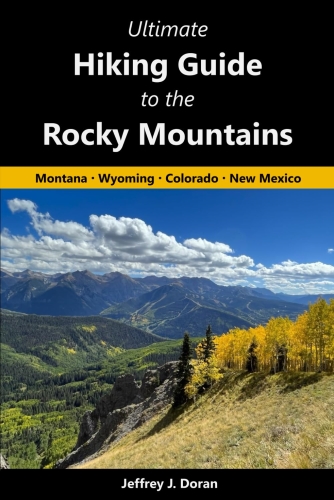
From Montana to New Mexico, the American Rockies stretch for more than a thousand miles. Within this spectacular mountain range are thousands of miles of hiking trails. With such an overwhelming number of options, how will you find and choose the most scenic and rewarding hikes?

Ultimate Hiking Guide to the Rocky Mountains takes all the guesswork out by focusing on some of the most amazing hikes across this range, and provides you with a handpicked list of options that will allow you to make the most of your trips in the Rockies:


Sunday, January 12, 2014

Full Moon Snowshoeing and Cross-country Skiing at State Forest State Park

Colorado Parks and Wildlife invites the public to the snow-covered winter woods at State Forest State Park for two 'Full Moon Open House' events on Saturday, January 18th and Saturday, February 15th.

Arrive at the park before dusk, and once the moon rises, enjoy a unique, nocturnal winter experience snowshoeing or cross-country skiing the six-mile Gould Loop that starts at the park's Moose Visitor Center. Everyone is encouraged to bring a snow buddy along for a fun evening.

"The route will be studded with glow sticks to guide skiers and snowshoers," said Park Manager Kent Minor. "Along with the 'glow-in-the-dark' jewelry that we provide, it creates a neat, almost mystical visual experience for participants."

State Forest State Park will provide hot chocolate and cookies along the trail at the Chocolate Cabin. In addition, visitors are invited to bring food for the potluck at the Moose Visitor Center after the evening's trek.

"The open house provides a break from cabin fever and an opportunity to discover the magic of moonlight on snow," added Minor. "You may even catch a glimpse of wildlife, including a moose or two."

Participants are reminded to bring all necessary equipment and dress for winter conditions.

State Forest State Park is located on Hwy 14, 75 miles west of Ft. Collins, or 25 miles east of Walden. For more information you can call 970-723-8366.


Jeff
RockyMountainHikingTrails.com

Saturday, January 11, 2014

Explore Rocky Mountain This Winter

For many visitors, winter is their favorite season to enjoy Rocky Mountain National Park. The park is less visited but still very much open and alive with activity. Beautiful backcountry areas can be reached on snowshoes, skis, and at lower elevations - even with hiking boots! Elk, coyotes, deer, snowshoe hares, and other wildlife remain active through the winter. Their story is told by the tracks left in the snow. For those visitors who are prepared, winter is an enchanting time to explore the park.

Snowshoeing and skiing are fun ways to experience the backcountry of Rocky Mountain National Park. The park offers ranger-led snowshoe ecology walks for beginner-level snowshoers on the east side, and for beginner and intermediate-level snowshoers and cross-country skiers on the west side of the park. Reservations are required and there is no additional fee beyond the regular park entrance fee.

Snowshoeing is easy to learn and opens up a new way to see the beauty of nature during its quietest season. For beginners, the snowshoe program is a two-hour exploration of the natural world of the subalpine forest. No previous snowshoe experience is required. On the east side, this walk is held on Saturdays and Sundays at 12:30 p.m. through March 23rd. The beginner snowshoe tour on the west side is held on Saturdays at 1:00 p.m. through March 8th.

For more experienced snowshoers, a two-hour snowshoe walk is offered on the west side of the park on Sundays at 1:00 p.m. through March 9th. Previous snowshoeing experience is recommended because of the elevation gain, mileage, pace and terrain covered in this program.

Ranger-led cross-country ski tours are offered on the west side of the park on Saturdays at 9:30 a.m. through January 25th. Participants ski a snow-draped landscape and learn about the Kawuneeche Valley.

All snowshoe walks and ski tours require reservations. Reservations can be made in advance, seven days or less prior to the desired program. Participants must furnish their own equipment, including poles with baskets, and be at least 8 years old. To make reservations for east side snowshoe walks, call the park's Information Office at (970) 586-1206 between 8:00 a.m. and 4:00 p.m. daily. To make reservations for west side snowshoe walks, call the Kawuneeche Visitor Center at (970) 627-3471 between 8:00 a.m. and 4:30 p.m. daily.

Frontcountry and backcountry camping take place in the winter too! Timber Creek Campground and designated sections of Moraine Park Campground are open all winter; the fee is $14 per site per night. Water and dump stations are not available in winter at the campgrounds. Self-registration permits for backcountry camping in winter zones are available. There is no charge in the winter for backcountry camping.

Sledding activities can be enjoyed in Rocky Mountain National Park at the Hidden Valley area. Hidden Valley slopes have been contoured to enhance the safety of sledding and other -more- snowplay activities. The gentle sledding hill is especially enjoyed by younger park visitors. Facilities at Hidden Valley include a warming hut, which is open weekends, and heated restrooms which are open daily. This area is also a good base location for visitors interested in backcountry skiing, snowboarding and snowshoeing in the undeveloped areas in and around Hidden Valley.

Podcasts on Winter Recreation and Introduction to Snowshoeing can be found on the park website at, http://www.nps.gov/romo/photosmultimedia/roaming_rocky.htm Backcountry users should be aware of avalanche conditions, always check the Colorado Avalanche Information Center website at http://avalanche.state.co.us before an adventure.

Full Moon Walks will be offered on the east side of the park on January 15th, February 14th and March 16th. Times and locations will vary each month. Reservations are necessary and may be made seven days in advance by calling (970) 586-1206.

Whenever visiting Rocky Mountain National Park to snowshoe, ski or hike, stop by a park visitor center or call (970) 586-1206 for current road and snow conditions.

Finally, if you do plan to visit Rocky Mountain National Park this winter, please note that our website offers a variety of accommodation listings in both Estes Park and Grand Lake.


Jeff
RockyMountainHikingTrails.com

Sunday, December 29, 2013

Florissant Fossil Beds to Host Hikes for Your Health Program

Is getting more exercise one of your New Year’s Resolutions? Want to avoid crowds at the gym, and would rather exercise outdoors, hiking and snowshoeing?

On Wednesday, January 15th, Florissant Fossil Beds National Monument will launch a new community health program called, “Hikes for Your Health”. This new program will run every Wednesday and Saturday from January 15th to March 15th, 2014. These ranger-led hikes will vary in length from 2 – 5 miles. Depending on conditions, the hikes may either be on foot or by snowshoe. The Monument offers free snowshoes if needed. Participants must provide all other equipment and safety gear such as layered clothing, appropriate footwear, water, and snacks. Trekking or ski poles are recommended. Participants must be 10 years or older.

The first hike will begin at the visitor center at Florissant Fossil Beds National Monument at 10 a.m. on Wednesday, January 15th and will hike along the Sawmill Trail (2.3 miles). The Hikes for Your Health program will be offered in partnership with Florissant Fossil Beds National Monument, the Teller County Community Partnership Family Resource Center, and the Friends of the Florissant Fossil Beds. This hiking program is part of the National Park Service’s Healthy Parks, Healthy People US initiative working to reintegrate human, environmental, and ecological health into the mission of public parks and public lands.

Florissant Fossil Beds National Monument is open 9 a.m. to 5 p.m. daily. The entrance fee for the park is $3.00 per adult (16 years or older) or free with one of the many federal land passes. For more information please call the Monument at (719) 748 – 3253 ext. 122 or 202 or visit the park website.


Jeff
Rocky Mountain Hiking Trails

Friday, November 29, 2013

A Wonderful World Awaits: Explore Rocky Mountain National Park this Winter

For many visitors, winter is their favorite season to enjoy Rocky Mountain National Park. The park is less visited but still very much open and alive with activity. Beautiful backcountry areas can be reached on snowshoes, skis, and at lower elevations - even with hiking boots! Elk, coyotes, deer, snowshoe hares, and other wildlife remain active through the winter. Their story is told by the tracks left in the snow. For those visitors who are prepared, winter is an enchanting time to explore the park.

Snowshoeing and skiing are excellent ways to experience the backcountry of Rocky Mountain National Park. The park will once again offer ranger-led snowshoe ecology walks for beginner-level snowshoers on the east side, and for beginner and intermediate-level snowshoers and cross-country skiers on the west side of the park. Reservations are required and there is no additional fee beyond the regular park entrance fee.

Snowshoeing is easy to learn and opens up a new way to see the beauty of nature during its quietest season. For beginners, the snowshoe program is a two-hour exploration of the natural world of the subalpine forest. No previous snowshoe experience is required. On the east side, this walk is held on Wednesdays, Saturdays and Sundays at 12:30 p.m. between January 4th and March 23rd. The beginner snowshoe tour on the west side is held on Saturdays at 1:00 p.m. between December 28th and March 8th. 

For more experienced snowshoers, a two-hour snowshoe walk is offered on the west side of the park on Sundays at 1:00 p.m. between December 29th and March 9th. Previous snowshoeing experience is recommended because of the elevation gain, mileage, pace and terrain covered in this program.

Ranger-led cross-country ski tours are also offered on the west side of the park on Saturdays at 9:30 a.m. between December 28th and January 25th. Participants ski a snow-draped landscape and learn about the Kawuneeche Valley.

All snowshoe walks and ski tours require reservations. Reservations can be made in advance, seven days or less prior to the desired program. Participants must furnish their own equipment, including poles with baskets, and be at least 8 years old. To make reservations for east side snowshoe walks, call the park's Information Office at (970) 586-1223 between 8:00 a.m. and 4:00 p.m. daily. To make reservations for west side snowshoe walks, call the Kawuneeche Visitor Center at (970) 627-3471 between 8:00 a.m. and 4:30 p.m. daily.

Frontcountry and backcountry camping take place in the winter too! Timber Creek Campground and designated sections of Moraine Park Campground are open all winter; the fee is $14 per site per night. Water and dump stations are not available in winter at the campgrounds. Self-registration permits for backcountry camping in winter zones are available. There is no charge in the winter for backcountry camping.

Sledding activities can be enjoyed in Rocky Mountain National Park at the Hidden Valley area. Hidden Valley slopes have been contoured to enhance the safety of sledding and other -more- snowplay activities. The gentle sledding hill is especially enjoyed by younger park visitors. Facilities at Hidden Valley include a warming hut, which is open weekends, and heated restrooms which are open daily. This area is also a good base location for visitors interested in backcountry skiing, snowboarding and snowshoeing in the undeveloped areas in and around Hidden Valley.

Podcasts on Winter Recreation and Introduction to Snowshoeing can be found on the park website at, http://www.nps.gov/romo/photosmultimedia/roaming_rocky.htm Backcountry users should be aware of avalanche conditions, always check the Colorado Avalanche Information Center website at http://avalanche.state.co.us before an adventure.

Full Moon Walks will be offered on November 17, December 17, January 15, February 14, and March 16.. Times and locations will vary each month. Reservations are necessary and may be made seven days in advance by calling (970) 586-1223.

If planning an overnight trip to Rocky Mountain National Park this winter, please visit our Accommodations page on RockyMountainHikingTrails.com to find a wide variety of lodging opportunities in Estes Park or Grand Lake.


Jeff
RockyMountainHikingTrails.com

Monday, November 25, 2013

Report Estimates Backcountry Winter Recreation Contributes $22.5 Million Annually to Teton-West Yellowstone Economy

A new study from Jackson economist Mark Newcomb estimates that human-powered backcountry winter recreation in Grand Teton National Park, parts of the Bridger-Teton and Caribou-Targhee National Forests, and the Rendezvous Ski Trails in West Yellowstone contributes $22.5 million annually to the region’s economy.

Newcomb and colleague Karl Meyer conducted random surveys over the course of the 2012-13 winter season of resident and non-resident backcountry visitors who participated in the activities of backcountry skiing and snowboarding (also known as alpine touring or AT), cross-country skiing both on and off groomed trails, snowshoeing, walking/jogging on groomed backcountry trails, and over-snow biking. The survey asked for data about annual expenditures on goods and services related to these forms of backcountry recreation as well as the location and frequency of backcountry visits.

Topline findings include an estimated $12.5 million direct annual economic impact by nonresidents who participate in these activities while visiting the region and $6.5 million annual contribution from resident spending related to backcountry winter recreation. Newcomb estimates $3 million in annual wages to employees who work in jobs directly stemming from these forms of winter backcountry recreation and $1 million in tax revenues to state and local government. The geographic area of impact focused on the communities of Jackson, Driggs/Victor and West Yellowstone and includes Teton County in Wyoming, Teton, Bonneville, Fremont and Madison Counties in Idaho, and West Yellowstone, Montana.

“We know anecdotally that winter backcountry recreation is increasing throughout the study region,” said Newcomb who, in addition to experience in environmental economics and urban and rural planning, worked for 25 years as a backcountry ski guide and avalanche course instructor. “However, to date, there has been little information available about how these activities impact our economy.”

Newcomb added that the report takes a conservative approach both in its economic impact conclusions and in its estimate of total number of residents and nonresidents participating in backcountry winter recreation in the region. The report uses data from a combination of sources including National Park Service, USDA Forest Service, trail counts and concessionaire data to arrive at a population estimate of 7,419 residents and 41,336 nonresidents who participated in the above activities during the 2012-13 winter season.

“My intuition and my on-the-ground experience tell me the population numbers we arrived at are low,” said Newcomb, “and therefore, the economic impact is likely understated, but these are the best source numbers available so that’s what we went with.” Per person expenditure estimates are $803 spent annually by residents in-region and an additional $255 spent out-of-region on goods and services for backcountry winter recreation; and $273 per person per visit by nonresidents spent on backcountry winter recreation goods and services during their visit to the region.

The report incorporates data gathered in additional surveys: one of retailers in the area that sell gear, clothing and other goods and services related to backcountry recreation; and a second survey of organizations such as backcountry guide services and avalanche course providers, both for profit and nonprofit, that operate as authorized concessionaires on national forest or national park lands. This data provided information about employment and wages related to winter backcountry recreation and helped corroborate population estimates.

One surprise, according to Newcomb, is the significance of guided activity in the area. “While guided winter activity seems to have a relatively small footprint, our study found that the economic contribution is significant.” The study estimates that participants in guided activities and education programs spent 6,699 days in the backcountry and contributed $1.6 million in gross revenues and were responsible for $826,000 in wages.

The study also reinforced the quality of the winter backcountry opportunities in the region with 81 percent of nonresidents and 74 percent of residents who skied or snowboarded in the backcountry reporting they were "very satisfied" with their experience.

The report was commissioned by the Boise-based national nonprofit organization Winter Wildlands Alliance (WWA) and was funded through a grant from the LOR Foundation. “It’s a common refrain from land managers and decision makers that they need better and more economic data on our activities,” said WWA Executive Director Mark Menlove. “We chose to study the Teton-West Yellowstone area because it is renowned for its backcountry winter recreation, is well managed, and offers an excellent mix of recreational opportunities. This study verifies that backcountry recreation creates jobs and contributes significantly to the local economy. It’s hugely important for Winter Wildlands Alliance, both as a pilot project we hope to replicate in other regions and as a practical tool for land managers and planners in the region to use in resource allocation and management efforts.”

An executive summary and the full report, titled “Teton-West Yellowstone Backcountry Winter Recreation Economic Analysis,” are available at winterwildlands.org.


Jeff
RockyMountainHikingTrails.com

Friday, November 22, 2013

Introduction to Snowshoeing Class

Discover the joy of winter and the freedom of snowshoeing next month at Echo Lake! On this field outing, you'll learn snowshoeing techniques, ascending and descending hills, snow hazard awareness, and winter preparedness. Don't have snowshoes? REI will provide snowshoes, snowshoe poles and professional instruction on the proper use of equipment to ensure every trip a success.

Some of the skills you'll learn during this 4-hour class include:

* Learn appropriate technique to ascend, descend and break trail in snow.

* Learn local areas to take your family outside in the winter.

* Learn how to use and care for snowshoeing equipment.

* Learn basic skills for winter travel and hiking .

The class will be held on December 15th, from 9:00 am - 1:00 pm at Echo Lake. Cost for REI members is $65.00. For non-members it's $85.00.

For more information on the class, including required gear, registration and directions, please click here.


Jeff
RockyMountainHikingTrails.com

Monday, February 18, 2013

Mesa Verde National Park Winter Fun Festival

Mesa Verde National Park is inviting the public to participate in the first ever, all ages, three-mile Nordic Fun Race on the Meadow Bliss Trail on Saturday, February 23rd. Classic skiers and skate skiers are welcome. Come out and enjoy some lighthearted competition in the Morefield Campground area. Registration starts at 10:00 a.m. and the race will begin at 11:00 a.m. There will be random prize drawings with prizes donated by the Mesa Verde Museum Association, Slavens Hardware, and Osprey Packs.

During and after the race, join a park ranger for a hands-on primitive skills demonstration including: bow drill fire starting, atlatl usage, and yucca cord making. Snacks and drinks will be available for purchase during and after the race.

This is also a great opportunity to explore Mesa Verde's Morefield Campground and Meadow Bliss Trails in the moonlight. Trails will be open for self-guided skiing or snowshoeing from 6:30 p.m. to 10:00 p.m. Bring a hot or cold dish for an ongoing potluck dinner throughout the evening. Outlets will be available to plug in your crockpots. Complimentary hot beverages and cookies will also be provided.

Parking for the events will be at the winter activities parking lot in the Morefield Campground Village, just four miles past the park's entrance station.

A limited number of adult and child snowshoes will be available for checkout during the events. Activities are subject to cancellation due to weather or road conditions. Please call 970-529-4461 for more information.


Jeff
RockyMountainHikingTrails.com

Wednesday, January 9, 2013

Winter Trails Day in Rocky Mountain National Park

Next weekend is the 17th Annual Winter Trails Day in Rocky Mountain National Park. The event will be held will be held on Saturday, January 19th, from 10 a.m. to 2 p.m., at the Park and Ride lot near Glacier Basin.

Winter Trails Day is a free snowshoe festival with hundreds of demo snowshoes for adults and children, advice from snowshoe experts, and outdoor gear displays.

Participants will have the opportunity to try snowshoes from several manufacturers, including Tubbs, Atlas, MSR, Crescent Moon and others. You'll also receive expert advice on selecting and fitting snowshoes. There will also be informational clinics that include educational stations on winter activity basics, safety techniques, nutrition and hydration tips, essential conditioning exercises and how to dress for winter hiking and camping.

Event organizers ask that you bring your own food and water. You should also note that, beginning at 2:00 PM, the available quantity of demo equipment will be restricted - so be sure to arrive early enough in order to demo each and every model. Also, be sure to bring your driver’s license for registration purposes.

Although the event is free, Rocky Mountain National Park entrance fees still apply.

For more information, please click here, or call 1-800-443-7837 or the Estes Park Visitors Center at 1-970-577-9900.


Jeff
RockyMountainHikingTrails.com

Sunday, January 6, 2013

A Wonderful World Awaits: Explore Rocky Mountain National Park this Winter

For many visitors, winter is their favorite season to enjoy Rocky Mountain National Park. The park is less visited but still very much open and alive with activity. Beautiful backcountry areas can be reached on snowshoes, skis, and at lower elevations - even with hiking boots! Elk, coyotes, deer, snowshoe hares, and other wildlife remain active through the winter. Their story is told by the tracks left in the snow. For those visitors who are prepared, winter is an enchanting time to explore the park.

Snowshoeing and skiing are fun ways to experience the backcountry of Rocky Mountain National Park. The park offers ranger-led snowshoe ecology walks for beginner-level snowshoers on the east side, and for beginner and intermediate-level snowshoers and cross-country skiers on the west side of the park. Reservations are required and there is no additional fee beyond the regular park entrance fee.

Snowshoeing is easy to learn and opens up a new way to see the beauty of nature during its quietest season. For beginners, the snowshoe program is a two-hour exploration of the natural world of the subalpine forest. No previous snowshoe experience is required. On the east side, this walk is held on Saturdays and Sundays at 12:30 p.m. through -more- March 23. The beginner snowshoe tour on the west side is held on Saturdays at 1:00 p.m. through March 16. Beginning on February 2, an additional west side tour will be offered at 9:00 a.m. on Saturdays through March 16.

For more experienced snowshoers, a two-hour snowshoe walk is offered on the west side of the park on Sundays at 1:00 p.m. through March 10. Previous snowshoeing experience is recommended because of the elevation gain, mileage, pace and terrain covered in this program.

Ranger-led cross-country ski tours are offered on the west side of the park on Saturdays at 9:00 a.m. through January 26. Participants ski a snow-draped landscape and learn about the Kawuneeche Valley.

All snowshoe walks and ski tours require reservations. Reservations can be made in advance, seven days or less prior to the desired program. Participants must furnish their own equipment, including poles with baskets, and be at least 8 years old. To make reservations for east side snowshoe walks, call the park's Information Office at (970) 586-1206 between 8:00 a.m. and 4:00 p.m. daily. To make reservations for west side snowshoe walks, call the Kawuneeche Visitor Center at (970) 627-3471 between 8:00 a.m. and 4:30 p.m. daily.

Frontcountry and backcountry camping take place in the winter too! Timber Creek Campground and designated sections of Moraine Park Campground are open all winter; the fee is $14 per site per night. Water and dump stations are not available in winter at the campgrounds. Self-registration permits for backcountry camping in winter zones are available. There is no charge in the winter for backcountry camping.

Sledding activities can be enjoyed in Rocky Mountain National Park at the Hidden Valley area. Hidden Valley slopes have been contoured to enhance the safety of sledding and other -more- snowplay activities. The gentle sledding hill is especially enjoyed by younger park visitors. Facilities at Hidden Valley include a warming hut, which is open weekends, and heated restrooms which are open daily. This area is also a good base location for visitors interested in backcountry skiing, snowboarding and snowshoeing in the undeveloped areas in and around Hidden Valley.

Podcasts on Winter Recreation and Introduction to Snowshoeing can be found on the park website at, http://www.nps.gov/romo/photosmultimedia/roaming_rocky.htm Backcountry users should be aware of avalanche conditions, always check the Colorado Avalanche Information Center website at http://avalanche.state.co.us before an adventure.

Full Moon Walks are offered on the east side of the park on January 26 and February 25. Times and locations will vary each month. Reservations are necessary and may be made seven days in advance by calling (970) 586-1206.


Jeff
RockyMountainHikingTrails.com