Winter is an absolutely wonderful time to visit Rocky Mountain National Park. The park, as well as the area surrounding it, offers many outstanding outdoor opportunities, including snowshoeing, cross-country skiing, sledding, downhill skiing, wildlife watching, dog sled rides, fat biking, ice fishing and even hiking. Even if you don’t own your own equipment there are many outfitters in Estes Park and Grand Lake that will rent everything you’ll need to enjoy your adventures.
Winter in the Rockies can typically last from November through April. The lower elevations along the eastern slope of Rocky Mountain National Park are usually free of deep snow. However, at higher elevations, arctic conditions prevail. Sudden blizzards, high winds, and deep snowpack are common in these areas of the park. The west side of the park usually experiences more snow, less wind and clear cold days during this time period. Skiing and snowshoeing conditions are usually at their best in January, February, and March. Unpredictable weather alternates between warm and cold, wet and dry conditions during April.
Based on the latest ten years of precipitation data, Estes Park (7522 feet) receives approximately 34 inches of snow each year, while Grand Lake (8369 feet) receives roughly 147 inches annually.
Visitors to the park should make note that the upper portion of Trail Ridge Road is closed during the winter. Depending on weather, the road usually closes for the season around mid-October or early-November, and reopens by Memorial Day Weekend. During the winter season, weather permitting, Trail Ridge Road is normally open to Many Parks Curve on the east side of the park, and to the Colorado River Trailhead on the west side. For the latest information on closures you can call the Trail Ridge Road Status Line at 970-586-1222, or visit the park website.
The following are a few of the winter adventures you can enjoy in and around the national park:
Snowshoeing – is one of the most popular ways to enjoy the park and surrounding areas during the winter. Basically, if you can hike, you can snowshoe! Within the park you can join a ranger-led snowshoe excursion. Several outings are offered throughout the winter. Participants will learn techniques to traverse various terrain as they explore the natural world of subalpine forests. No previous experience is needed for these programs. Outside of the park are several other areas you can explore. On the west side you may want to note that 70% of Grand County is public land. Therefore, snowshoers will have access to hundreds of miles of trails in the Indian Peaks Wilderness, Never Summer Wilderness, Arapaho National Forest, Arapaho National Recreation Area, Byers Peak Wilderness, Vasquez Peak Wilderness, Medicine Bow/Routt National Forest, Winter Park and Fraser Valley areas. You can find additional information on these areas, as well as equipment rental outfitters and various Nordic centers by clicking here. For information on equipment outfitters and snowshoeing opportunities in the Estes Park area, please click here.
Cross-country Skiing – is another popular winter sport in and around the park. On the west side of the park, Rocky Mountain National Park rangers offer the "Ski the Wilderness in Winter" program each winter. Cross-country skiers also have access to trails in the Indian Peaks Wilderness, Never Summer Wilderness, Arapaho National Forest, Arapaho National Recreation Area, Byers Peak Wilderness, Vasquez Peak Wilderness, Medicine Bow/Routt National Forest, Winter Park and Fraser Valley areas. You can find additional information about these areas, as well as equipment rental outfitters and various Nordic centers by clicking here.
Although the terrain and the amount snow on the west side of the park make for better cross-country skiing, the Estes Park area also offers many cross-country skiing opportunities as well. For additional information on these opportunities, as well as equipment rental outfitters on the east side of the park, please click here.
Hiking – Depending on the amount of snow on the ground, visitors can also enjoy hiking in the park, especially on the east side. Destinations such as Cub Lake, Chasm Falls, Deer Mountain, Gem Lake and Upper Beaver Meadows are all great choices during the winter. For more information about these hiking destinations in winter, please click here.
Sledding - Hidden Valley is the one place in Rocky Mountain National Park where sledding is allowed. Please note that no tows are provided, and you must provide your own plastic sled, saucer, or tube (if you don't bring your own they can be rented in Estes Park at most outdoor shops). This gentle hill is at the bottom of the bunny slope of the former Hidden Valley Ski Area. On most weekends there's an attendant here. A warming room is also available. Winter winds can scour the area, causing conditions to vary, so you should call the park Information Office at 970-586-1206 for the latest information.
Wildlife Watching - Many park roads are usually open during the winter, which provide access for viewing park wildlife. Winter is an especially good time to look for elk, mule deer, moose, and other large mammals. Visitors should look for moose along the Colorado River on the park's west side. Elk and mule deer are most active at dusk and dawn, and are usually seen in meadow areas. Look for bighorn sheep along the Highway 34/Fall River corridor on the park's east side. Coyotes may be seen any time of day. Members of the Jay family, including Steller's jays, gray jays, Clark's nutcrackers, and the iridescent, long-tailed black-billed magpies are commonly seen in the winter as well.
Other Outdoor Activities – in addition to the winter activities already mentioned above, the Grand Lake area offers several other winter adventures, including downhill skiing, dog sled rides, fat biking, ice fishing, ice skating, sledding and snowmobiling, among many other options. You can click here for a full list of winter activities.
Before venturing into the park during the winter months be sure you’re properly prepared for cold and snowy conditions. Be sure to layer up with insulating, waterproof clothing, wear sunglasses, use sunscreen, carry water and carry a good topographical trail map.
Other info:
For the latest information on weather conditions, please click here.
* Current Bear Lake Snow Conditions
* Overall Trail Conditions
* Colorado Avalanche Information
If you do plan to visit Rocky Mountain this winter, or anytime of the year, please note that our hiking website also offers a wide variety of accommodation listings and other things to do to help with all your vacation planning.
*******************************************************************************
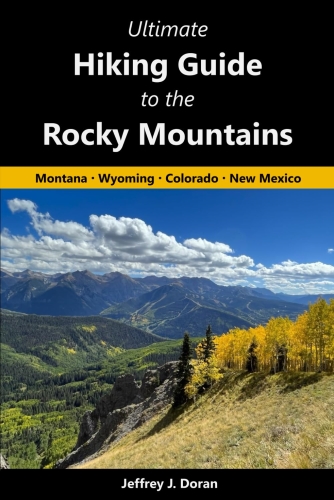
From Montana to New Mexico, the American Rockies stretch for more than a thousand miles. Within this spectacular mountain range are thousands of miles of hiking trails. With such an overwhelming number of options, how will you find and choose the most scenic and rewarding hikes?
Ultimate Hiking Guide to the Rocky Mountains takes all the guesswork out by focusing on some of the most amazing hikes across this range, and provides you with a handpicked list of options that will allow you to make the most of your trips in the Rockies:
Showing posts with label snowshoe. Show all posts
Monday, March 13, 2017
Friday, November 8, 2013
Canyon Lakes Recruiting Nordic Rangers for 2014 Season
The Canyon Lakes Ranger District is looking for volunteers to ski or snowshoe this winter in the busy Cameron Pass area, where 32 miles of trail can see over 300 skiers a day on a weekend.
This popular area includes trails that border Highway 14 between Chambers Lake and Cameron Pass. The area receives enough snow to ski before many others and snow often remains after other areas have lost their snow cover. For this reason, the number of winter recreationists at Cameron Pass continues to grow.
Volunteers ski or snowshoe “with a purpose,” helping the Forest Service educate winter visitors and provide winter use statistics. To volunteer, participants will take part in a minimum of four days patrolling and attend Forest Service-provided training. The kick-off meeting is Nov. 20 at 6:30 p.m. at 2150 Centre Ave., Building E, in Fort Collins. The required classroom training is Dec. 4, 6-9 p.m. and the required field training is Dec. 7 from 8 a.m.- 4 p.m. For more information or to RSVP, call Kristy Wumkes at 970-295-6721 or email kwumkes@fs.fed.us.
Along with a general introduction to the program, the kick-off also introduces potential new members to many of the partner-organizations, such as Jax Outdoor Gear and Colorado Parks and Wildlife, and to some of the returning Nordic rangers.
The Cameron Pass Nordic Ranger program began in 1992. Volunteers assist the Forest Service by skiing or snowshoeing area trails to provide safety, trail, and low-impact backcountry use information to winter enthusiasts; help maintain area ski trails and trailheads for safety; and gather visitor use information to aid in Forest Service planning. Some of the Nordic rangers work as a winter trail crew to help keep the trails cleared of downed trees and limbs, install signs, and shovel paths to the restrooms.
Many of the trails are in the Rawah and Neota Wilderness areas, where routes can be challenging. Backcountry skiing also includes risks inherent with winter conditions in the mountains, including extreme cold. These are some of the key reasons volunteers in the area are so valuable to its many users, especially those with little winter sports experience.
Jeff
RockyMountainHikingTrails.com
Friday, November 23, 2012
Winter Adventures in Rocky Mountain National Park
Just because there's a little bit of snow on the ground doesn't mean that Rocky Mountain National Park shuts down for the winter. In fact, the park offer several opportunities for outdoor winter adventures, including a few ranger led activities.
From the Estes Park area on the east side, visitors can enjoy Snowshoe Ecology Walks on weekends between January 5th and March 23rd.
The park will also be offering Full Moon Walks on the nights of November 28, December 28, January 26, and February 25. This is a great chance to explore the park by the light of the full moon. Each walk will last about an hour to 1.5 hours.
On the west side of the park, starting from the Kawuneeche Visitor Center, RMNP will offer ranger-led beginner and intermediate snowshoe tours, as well as cross-country skiing tours on mostly-level terrain.
For more information, please click here.
Jeff
RockyMountainHikingTrails.com
Subscribe to:
Posts (Atom)


