Monday, April 29, 2024

Dr. Lyman B. Sperry: Early Trail Builder

In the heart of Glacier National Park is the 216-acre Sperry Glacier. It's named after Dr. Lyman B. Sperry of Oberlin College, who scouted for "scenic attractions" on behalf of the Great Northern Railway in an effort to expand tourism opportunities in the region. In June of 1895, while exploring the basin above Lake McDonald, Sperry saw and heard multiple avalanches roaring down the mountains that surround what is now known as Avalanche Lake, and agreed with those in his party, "that Avalanche Basin would be a most appropriate name for the place."

On a return trip later that same summer Sperry would discover the glacier that now bears his name. Here's a photo of the Sperry Party on Sperry Glacier:
Several years later the college professor would oversee construction of a trail that led from the head of Lake McDonald to Sperry Glacier. Dr. Sperry's trail, constructed in 1902 and 1903 with the help of 15 students from the University of Minnesota, was likely the first organized trail-building effort in the park. Sperry's motivation for building the trail came from the thought that by providing access to the most beautiful parts of Glacier's backcountry, more people would have the opportunity to see the wonders of the area, and thus increase the probability of preserving it as a national park.

Now known as the Gunsight Pass Trail, Dr. Sperry's original trail still leads to the glacier that bears his name, as well as the historic Sperry Chalet. At an elevation of more than 6550 feet, Sperry Chalet sits high atop a rock ledge that offers visitors commanding views of majestic mountain peaks, waterfalls and the Lake McDonald valley. Now listed as an Historic Landmark, the Sperry Chalet dining chalet was built by the Great Northern Railway in 1913, while the original dormitory was completed during the following year. For those visiting Sperry on a day hike you may want to note that the dining room is open to the public from 11:30 a.m. to 5:00 p.m. each day.

In my history of hiking, Ramble On, I discuss trail development in Glacier in far more detail, including the crucial role the Great Northern Railway played during the early years of the park.

Here's a hiking party on Sperry Glacier in the 1920s:
Here's a photo from the Milwaukee Public Museum titled, "Crevass in Sperry Glacier into which a lady fell 45 feet but was not serious hurt":


                *******************************************************************************

Virtually no one went hiking before the 19th century. What occurred that inspired ordinary people to take a walk through the woods for pleasure? Ramble On explores the rich history of hiking, and how it evolved into one of the most popular pastimes in the world:


Sunday, April 28, 2024

Reminder: Rocky Mountain National Park Timed Entry Reservations Availability Begins May 1st

Rocky Mountain National Park (RMNP) will implement a pilot reservation system using timed entry beginning on May 24th.

The pilot is similar to that used in 2023 with two types of reservations available. One permit will be for the Bear Lake Road Corridor, which includes the entire corridor, as well as access to the rest of the park. This reservation period will be from 5 a.m. to 6 p.m. The second permit will be for the “rest of the park,” excluding the Bear Lake Road corridor. This “rest of park” reservation period will be from 9 a.m. to 2 p.m. Permits issued using the reservation system will allow park visitors to enter the park within two-hour windows of availability, with no set time for departure. The reservation system will apply to all areas of the park. The only cost associated with booking a reservation is a $2 recreation.gov processing fee. The Bear Lake Road Corridor timed entry reservation system will continue through Sunday, Oct. 20. However, the rest of the park reservation system will end on Tuesday, Oct. 15.

Reservations to enter the park will be available through www.recreation.gov following the below schedule.

* Beginning at 8a.m. MT on Monday, May 1. This round of reservations will be available to enter the park from May 24 through June 30.

* The next release will occur on June 1, for the month of July and any remaining days that have not been booked for June.

* On July 1, reservations will be available for the month of August and any remaining days that have not been booked for July.

* On Aug. 1, reservations will be available for the month of September and any remaining days in August that have not been booked.

* On Sept. 1, reservations will be available for October and any remaining days in September that have not been booked. 

Modifications from the 2023 pilot system to the 2024 pilot system include making the night before reservations available at 7 p.m. MT through recreation.gov, rather than 5 p.m. These are expected to run out quickly and visitors are encouraged to plan ahead when possible.   

RMNP is one of the most visited national parks. The park experienced a 44 percent increase in visitation from 2012 to 2019. In 2021, the park received 4.4 million visits. Even with a vehicle reservation timed entry system in place, the park received some of the highest visitation in its history. Between 2016 and 2023, the park piloted several day-use visitor management strategies to address crowding, congestion, and impacts on park resources. These pilots have demonstrated this strategy is effective at easing congestion impacts and improved the visitor experience in the park. The park also asked the public for their participation in envisioning the future of day use visitor access at Rocky Mountain National Park during the summer of 2021 and the winter of 2022-2023.


Jeff
RockyMountainHikingTrails.com
HikinginGlacier.com
TetonHikingTrails.com

Ramble On (2nd edition book on the rich history of hiking)
Exploring Glacier National Park
Exploring Grand Teton National Park

Friday, April 26, 2024

Uncompahgre National Forest proposes cap on number of hikers on Blue Lakes Trail

The Grand Mesa, Uncompahgre and Gunnison (GMUG) National Forests’ recently announced that they are proposing new regulations that will cap the number of hikers on the popular Blue Lakes Trail each day. Based on public comments and findings from an Environmental Assessment, the draft decision for the proposed Blue Lakes Visitor Use Management Plan would limit hiker access on the Blue Lakes Trail to only 40 people per day. Additionally, a maximum of 24 campers in four designated sites per day would also be permitted.

“This decision is based on years of monitoring data, public input and the environmental analysis findings that demonstrated the need for action to protect these areas from the impacts of increased visitor use,” said Dana Gardunio, Ouray District Ranger. “The permit system and additional management actions are critical to enabling us to effectively manage, restore and protect this cherished area.”

The Montrose Daily Press reports that nearly 35,000 people are hiking the trail each year. Visitor logs indicate that more than 100 people are hiking the trail each day during peak hiking season, with a record of around 500 in one day!
Gardunio was also quoted in the Montrose Daily Press, stating, “You see a lot of human waste by the trail or by the lakes, we see trash or dog feces, dog poop bags by the trail. We have a lot of people creating their own little side trails, creating their own campsites, so you start to see this creep of trampled vegetation, things brought down to bare soil, which then causes some erosion concerns both on the trails and also into the lakes and creeks themselves.”

The final plan incorporates changes in response to public comments. Some of the changes include pushing back the start date for the permit season in the Wilderness Zone to June 1, prohibiting dogs in the Mount Sneffels Zone, prohibiting overnight stock use in the Wilderness Zone and adjustments to indicators and thresholds that would trigger adaptive management.

The plan will be implemented in phases as capacity allows. One of the first actions to be implemented will be reconstructing the Blue Lakes Trailhead parking area, including installing two new toilets, which is expected to occur in the spring of 2025. Additionally, the Forest Service will begin creating a monitoring plan and working with Recreation.gov to implement a reservation system for a limited entry day-use and overnight permit for the Wilderness Zone in the plan. Depending on technical feasibility and resources, the reservation system may be online as early as the summer of 2025. Permit administration will likely include a processing fee for the reservation transaction.

The GMUG will investigate options for providing additional resources that could include a permit fee under the Federal Land Recreation Enhancement Act (FLREA) since implementation of the plan will require additional resources for restoration and enhanced services on the ground that are currently not being provided. A separate public process is required for new or increased FLREA fees. Future phases and implementation timelines for other management activities, such as designated camping, improved signage and closures of user-created trails, will be included in the implementation plan that will be developed over the next year.

Objection Process:

The release of the draft Decision initiates a 45-day objection period. Individuals who submitted timely and specific written comments during the scoping period (April 8–May 20, 2022) and/or the comment period on the draft Environmental Analysis (Oct. 18–Dec. 4, 2023) have eligibility to file an objection to the draft decision notice under 36 CFR 218 Subparts A and B.

Objections, including attachments, must be filed via mail, fax, email or hand-delivery to Reviewing Officer James Pitts, Attn: Blue Lakes Visitor Use Management Plan, 2250 South Main St., Delta, Colorado 81416; FAX: 970-874-6698, or electronically.

Objections must be submitted within 45 calendar days following the publication of a legal notice in the Montrose Daily Press. The legal notice is anticipated to be published on approximately April 17, 2024. The publication date in the newspaper of record is the exclusive means for calculating the time to file an objection. Those wishing to object should not rely upon dates or timeframe information provided by any other source. The regulations prohibit extending the time to file an objection.

For more information on the proposed Blue Lakes Visitor Use Management Plan and other documents associated with this release, visit the project webpage.


Jeff
RockyMountainHikingTrails.com
HikinginGlacier.com
TetonHikingTrails.com

Ramble On (2nd edition book on the rich history of hiking)
Exploring Glacier National Park
Exploring Grand Teton National Park

Wednesday, April 24, 2024

Rocky Mountain National Park Proposes Changes In Campground Fees

Rocky Mountain National Park is proposing a change in its current camping fees at four campgrounds beginning next year, in 2025.

The park is proposing a 10-dollar increase to overnight fees at four reservation campgrounds including Moraine Park, Glacier Basin, Aspenglen and Timber Creek Campgrounds. This proposed increase in summer fees would be from $35 to $45 per night. There is also a proposed additional increase of $10 for the new electrical sites that are being constructed at the Moraine Park Campground. The proposed fee for these forty-nine electrical sites is $55 per night.

There are no fee changes to group sites, the Longs Peak Campground which is a first come, first-served summer campground with no water available, or winter rates.

These proposed campground fee increases are based on comparable fees for similar services in nearby campgrounds.

The proposed fee increases are necessary for Rocky Mountain National Park to improve and maintain high-quality visitor services. While basic park operations are funded by direct appropriations from Congress, the recreation use fees collected by the park are used to support new projects and the ongoing maintenance of park facilities that directly enhance the visitor experience.

The Federal Lands Recreation Enhancement Act (FLREA) is the legislation that allows the park to collect entrance and amenity fees. This law allows parks like Rocky Mountain National Park to retain 80 percent of the fees collected in park for use on projects that directly enhance the experience of park visitors. The remaining 20 percent of all collected fees is distributed for use throughout the National Park System.

Some of the projects funded through the collection of entrance station and campground fees at Rocky Mountain National Park include:

* Hazard Tree Mitigation: The park is among many areas along the Rocky Mountains where trees have been dying from a beetle epidemic. Recreation fee monies have funded extensive mitigation of hazard trees in or near developed areas and other popular park facilities, such as campgrounds, parking lots, road corridors, housing areas and visitor centers.

* Campground Improvements: The park continues to use recreation fee monies to replace tent pad log linings, fire rings, maintain walking paths and repair and replace picnic tables.

* Hiking Trail Repairs and Improvements: Many hiking trail repair projects have been funded by recreation fee monies, such as repairing washed out sections of trail, the installation of bridges, and the installation of vault toilets at heavily used trailheads.

* Bear Management: Park entrance and campground fees help keep bears wild at Rocky Mountain National Park. Thanks in part to fee dollars collected over the past 20 years, 100% of the park’s garbage cans, recycling bins, and dumpsters are now bear-resistant. The park has also gone from zero food storage lockers to 352. Your recreation fees also help support visitor education programs focused on black bears.

Public engagement is an important part of the park’s planning process. Rocky Mountain National Park is accepting public comments on the proposed fee increases. Please submit all comments here. 

Comments may also be submitted via mail to:

Rocky Mountain National Park
Office of the Superintendent
1000 US Hwy 36
Estes Park, CO 80517

Please be advised, before including your address, phone number, e-mail address, or other personal identifying information in your comment, you should be aware that your entire comment – including your personal identifying information – may be made publicly available at any time. Although you can ask in your comment to withhold your personal identifying information from public review, we cannot guarantee we will be able to do so.

All public comments on the proposed fee increases will be accepted through May 23, 2024.


Jeff
RockyMountainHikingTrails.com
HikinginGlacier.com
TetonHikingTrails.com

Ramble On (2nd edition book on the rich history of hiking)
Exploring Glacier National Park
Exploring Grand Teton National Park

Tuesday, April 23, 2024

The Legacy of Abner Sprague

"We came here for small ranch operations, but guests and visitors became so numerous, at first wanting eggs, milk, and other provisions, then wanting lodging, and finally demanding full accommodations, that we had to go into the hotel business or go bankrupt from keeping free company!"

    - Abner Sprague
In 1874, just 14 years after Joel Estes settled in what is now Estes Park, Abner Sprague began building a humble homestead in Moraine Park. Almost immediately, he began hosting travelers at his cabin, thus establishing the first tourism enterprise within the boundaries of the future national park. The homestead would eventually become a lodge that was used for hunting, fishing, dude ranching, and even golf at one point. By the turn of the century, Sprague’s lodge and guest cabins could accommodate up to 100 guests per night. In 1900 (or 1904) the property was sold to James Stead, which remained in business as the Stead’s Ranch and Hotel until 1962.
After selling the lodge the Sprague's moved to Loveland. However, in 1910, seeking "to prevent my homesickness for Estes Park and the mountains from becoming chronic," Abner Sprague and his wife built another guest lodge in the Glacier Basin area. This was located in the current parking area for Sprague Lake. In 1932, the National Park Service purchased the property, but gave the Sprague's a twenty-year operating lease before razing the buildings in 1957.

Abner Sprague would go down in Rocky Mountain National Park history once more when he became the first visitor to pay an entrance fee in 1939.
Today, 12,713-foot Sprague Mountain, Sprague Lake, Sprague Glacier, and Sprague Pass all bear his name. Additionally, Alberta Falls is named for Alberta Sprague, Abner's wife of 55 years.


                *******************************************************************************

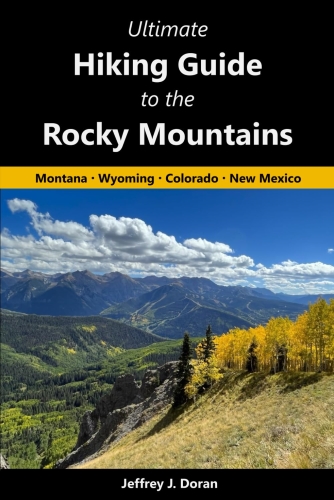
From Montana to New Mexico, the American Rockies stretch for more than a thousand miles. Within this spectacular mountain range are thousands of miles of hiking trails. With such an overwhelming number of options, how will you find and choose the most scenic and rewarding hikes?

Ultimate Hiking Guide to the Rocky Mountains takes all the guesswork out by focusing on some of the most amazing hikes across this range, and provides you with a handpicked list of options that will allow you to make the most of your trips in the Rockies: